Looking to experience the breathtaking beauty and rich culture of Croatia in one unforgettable trip? Look no further than our "The Best of Croatia" private tour.
With this exclusive tour, you'll discover the best of what this stunning country has to offer, from its charming cities to its pristine beaches and crystal-clear waters. You'll explore historic landmarks, sample delicious local cuisine, and soak in the vibrant energy of Croatia's lively streets and bustling markets.
But this isn't just any tour - it's a completely customizable experience tailored to your unique preferences and interests. Whether you're a history buff, a foodie, or a beach lover, our expert guides will craft an itinerary that perfectly suits your needs.
And with the peace of mind that comes from having your own private tour, you can relax and enjoy every moment of your trip without any stress or hassle.
Don't miss out on the chance to experience the trip of a lifetime. Book your "Best of Croatia" tour today and create memories that will last a lifetime.
Discover the beauty of Croatia with our private tour package, where every detail is thoughtfully included in the price:
- Duration: 8 days
- Accommodation: Enjoy 7 overnights with breakfast included at top-rated 5 and 4-star hotels in Zagreb, Zadar, Split, and Dubrovnik
- Expert Guide & Driver: Explore with our English-speaking professional, certified in both guiding and first aid/CPR
- Transportation: Travel comfortably in an air-conditioned minivan throughout the tour
- Entrance Tickets: Gain access to key attractions, including the Krapina Neanderthal Museum, Trakošćan Castle, Plitvice Lakes, Šibenik and Trogir Cathedrals, and the Walls of Dubrovnik
- Sightseeing: Immerse yourself in the culture and history of Zagreb, Krapina, Trakošćan, Rastoke, Plitvice Lakes, Split, Šibenik, Trogir, Ston, and Dubrovnik
- Culinary Delights: Indulge in additional meals at noteworthy locations, such as lunch in Zagorje Tavern, Trogir area, Ston, and Dubrovnik
Experience the best of Croatia with a hassle-free private tour curated for your enjoyment.
Prices
| Private tour | |
|---|---|
| Persons | Price |
| 2 | 3990 € |
| 3-6 | 3750 € |
All prices are expressed in euro and all specified prices are based per person.
If you organize a trip for more persons than indicated in the price list, please feel free to contact us at igor@zagrebtours.com so we can make an offer that fits your needs.
We can arrange tours for groups of all sizes, even if they are larger than the capacity specified in our price list. We have extensive experience in accommodating large groups, and we will work with you to create a customized tour that meets your needs and budget.
Route map
Gallery
Itinerary
Day 1 ZAGREB - Arrival
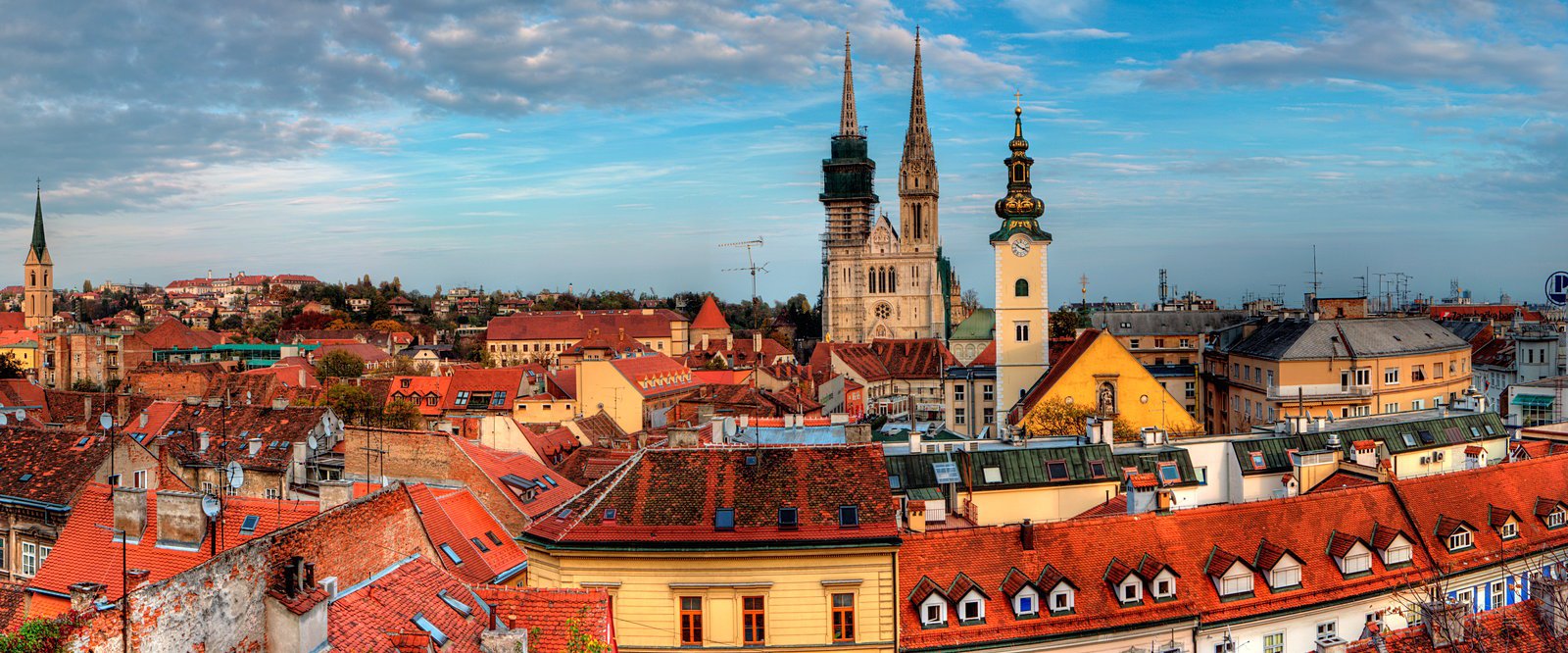
Welcome to Zagreb, the biggest town and capital of Croatia. Your guide will meet you at the Zagreb Airport and transfer you to your hotel. After you accommodate, we will take you for a pleasant walk in the city centre where you will get the first impression of Zagreb. Overnight in Zagreb – 5 star Hotel.
Accommodation: Hotel Esplanade Zagreb
Day 2 ZAGREB - TRAKOŠĆAN CASTLE - KRAPINA NEANDERTHAL MUSEUM - ZAGREB
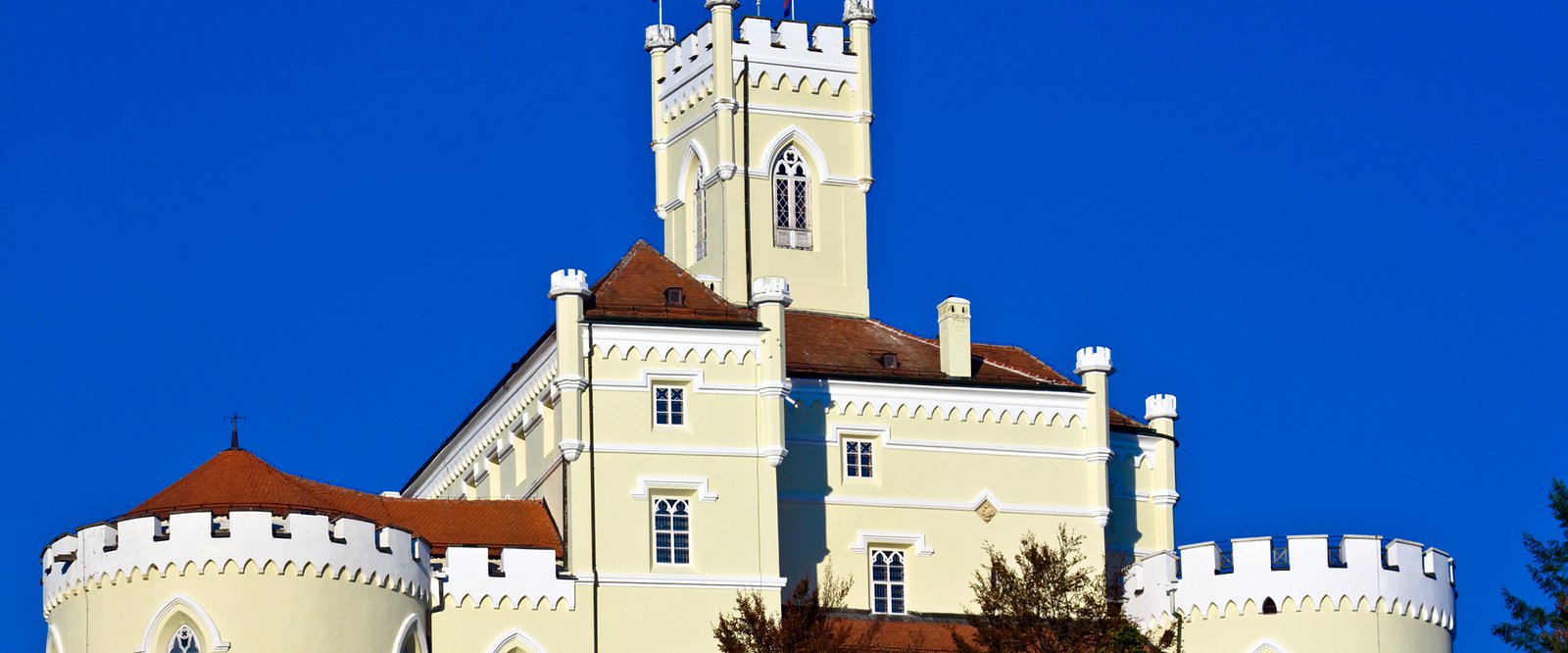
After breakfast, we head to the green hills of Croatian Zagorje region, where we’ll feel a unique experience of warm welcome. We will first visit one of the most popular and most modern museums in this part of the Europe - The Krapina Neanderthal Museum, where we will discover the interesting story about the life and culture of the Krapina Neanderthal. After meeting the early men, we will jump into the medieval times when respectable gentlemen and nobles built their manors and castles the carefully selected locations in search of beauty and comfort. We will visit the fairytale castle – Trakošćan, the most beautiful castle in whole Croatia. We are also going to have lunch with specialties of the local cuisine in one of Zagorje taverns. At the end of the day, we are coming back to Zagreb. Overnight in Zagreb – 5 star Hotel.
Accommodation: Hotel Esplanade Zagreb
Day 3 ZAGREB - RASTOKE - PLITVICE LAKES - ZADAR
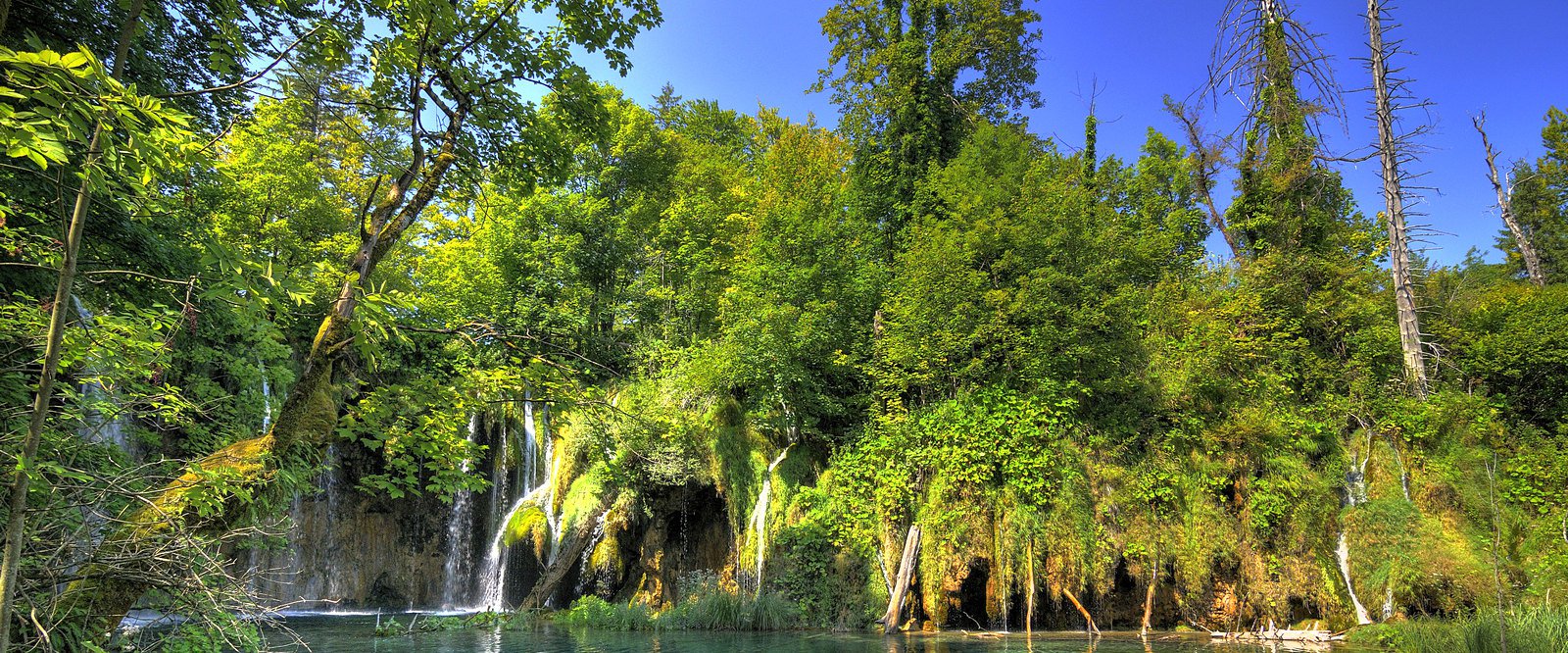
Today we are continuing our tour and we head towards Plitvice Lakes national park – the unique gem of world natural heritage. On the way to the Lakes, we'll stop at Rastoke - the Millers Village which is a picturesque little village we often like to call the little Plitvice Lakes. Later, we will discover the oldest and the biggest national park in Croatia, a world natural heritage site which is under the UNESCO protection since the 1979. We will hike along the sixteen beautiful and crystal clear lakes with numerous cascades and waterfalls.
In the afternoon we are coming to Zadar, an old Croatian town with a rich Roman history dating back from the 6 century before Christ. Overnight in Zadar – 4 star Hotel.
Accommodation: Hotel Bastion
Day 4 ZADAR - ŠIBENIK - TROGIR - SPLIT
Before we leave Zadar, we’ll spend some of today's morning exploring this old Croatian town with a rich Roman history dating back from the 6 century before Christ.
On our way further south to Split, we will visit old Croatian towns Šibenik and Trogir. In Šibenik, we will see the unique monument of European sacral architecture – St. Jacobs Cathedral, which has been listed as UNESCO's World Cultural Monument. The Šibenik Cathedral, adorned with 72 stone heads, is the most significant architectural creation in Croatia from 15th and 16th century. Trogir, an old Croatian town first inhabited by Greeks and Romans, is famous for its Romanic and gothic old core with famous Cathedral. In the evening we are coming to Split. Overnight in Split – 4 star Hotel.
Accommodation choice: Hotel Luxe / Hotel Marmont
Day 5 SPLIT
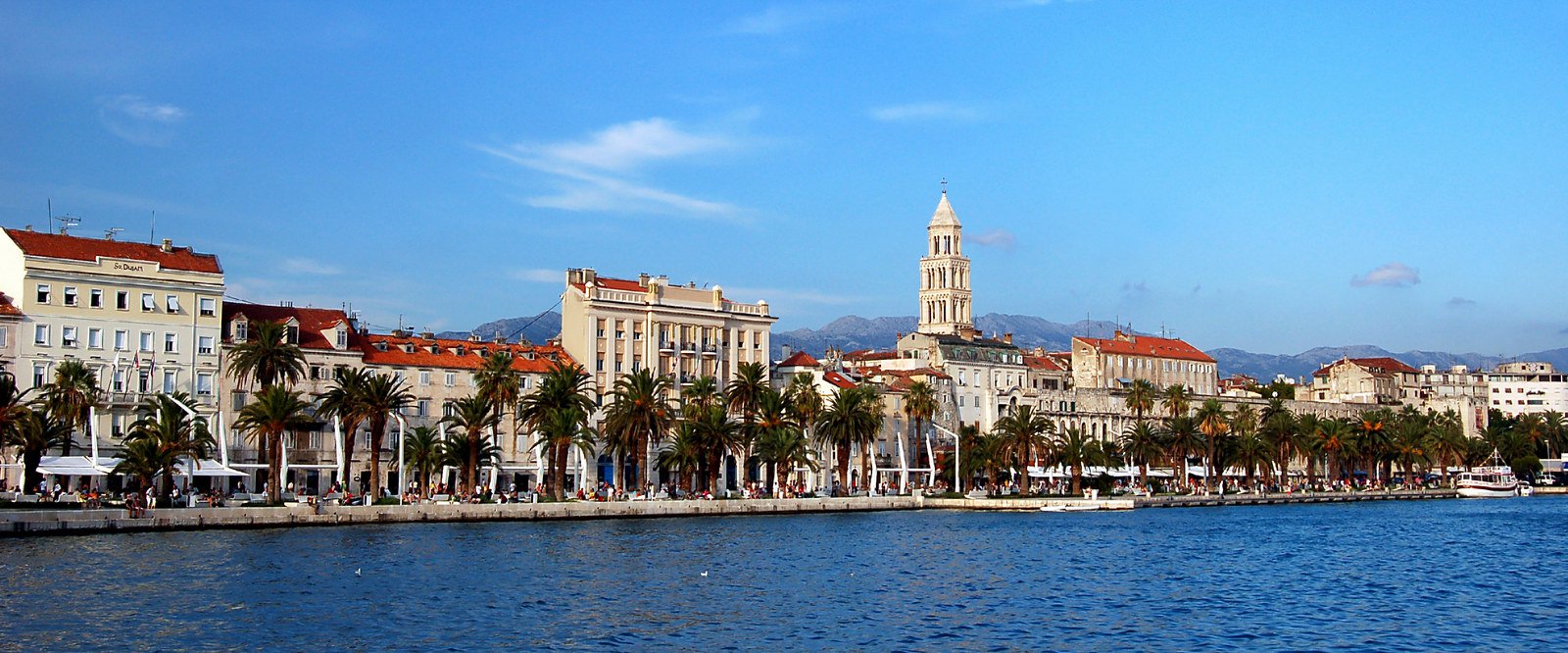
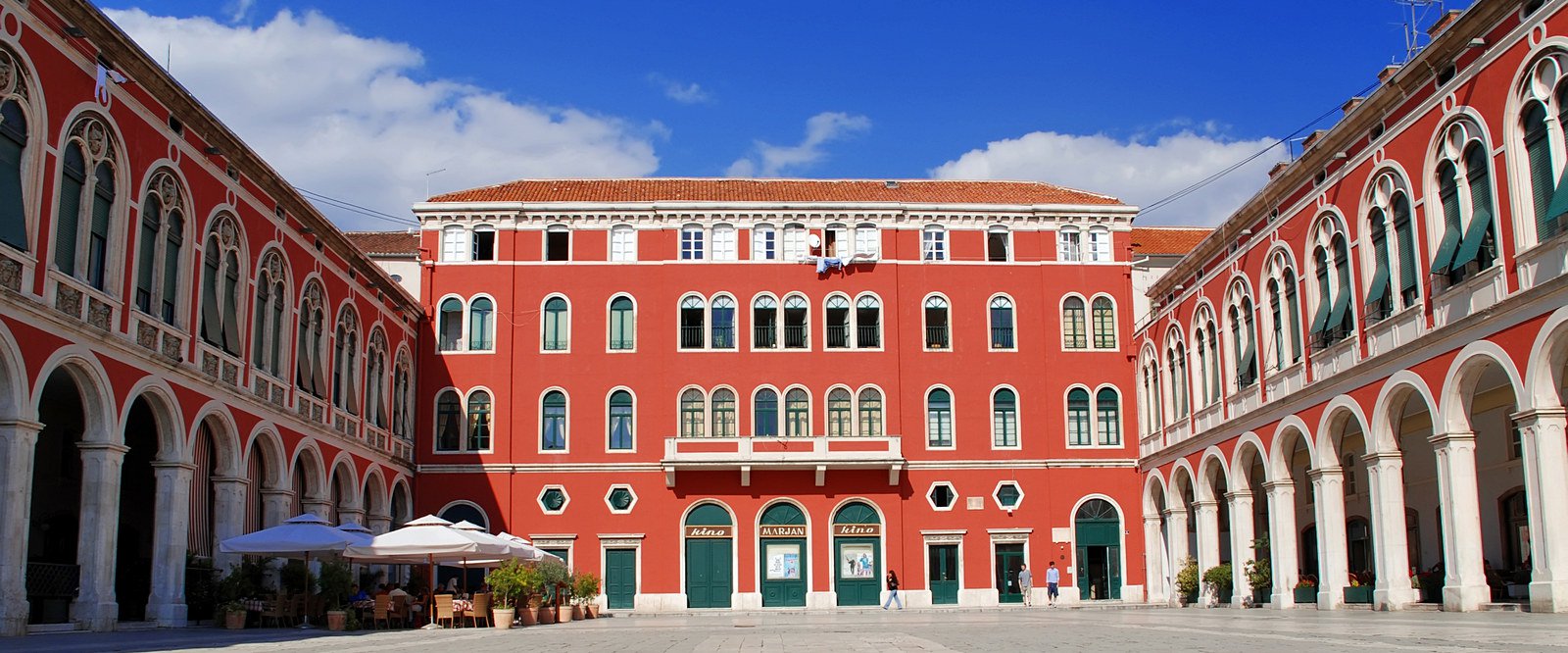
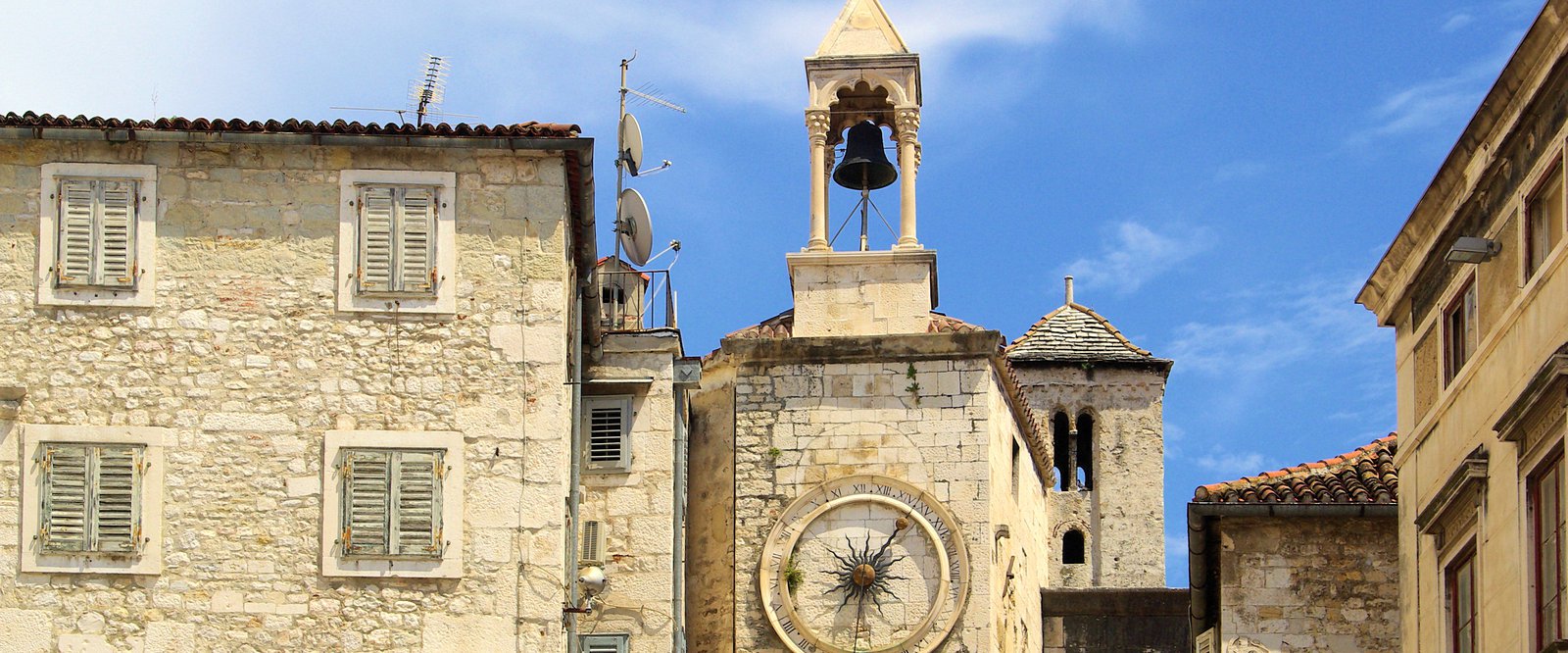
After breakfast, we’ll take you for a walk through the „most beautiful city in the world“, how Split if often called by its citizens. We’ll visit the Diocletian Palace in the heart of Split, built as a residential palace seventeen hundred years ago by the Roman Emperor Diocletian and also a priceless monument included in the UNESCO list of World Heritage. After the city tour you will have the time to spend your leisure afternoon in Split. Enjoy the heart of Split – the famous Split waterfront or Riva where you will feel the friendly and cozy atmosphere of this vibrant city. Overnight in Split – 4 star Hotel.
Accommodation choice: Hotel Luxe / Hotel Marmont
Day 6 SPLIT - STON - DUBROVNIK
After visiting Split, we are heading towards South part of Dalmatia, to Dubrovnik – the Pearl of Adriatic. On our way to Dubrovnik we will stop at little town Ston on the beginning of the Pelješac peninsula, known for the fortification complex dating from the 14th century and quite unique in its length of 3,5 miles. The Ston area is also known for great seafood especially oysters which are grown in the Little Ston bay. We won’t miss the opportunity to taste those fruits of the sea depths. In the evening, we will arrive to Dubrovnik and check into our Hotel. Overnight in Dubrovnik – 5 star Hotel.
Accommodation choice: Hotel Kazbek / Hotel More
Day 7 DUBROVNIK
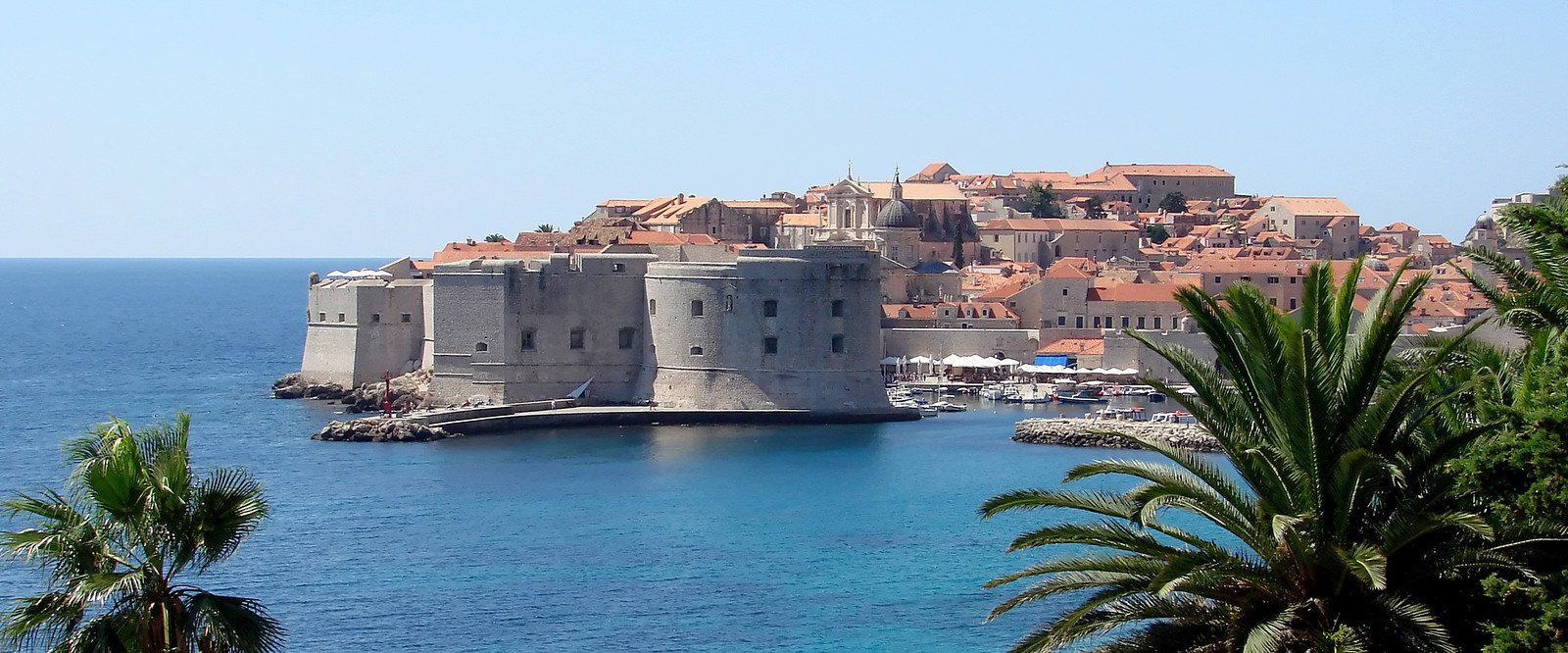
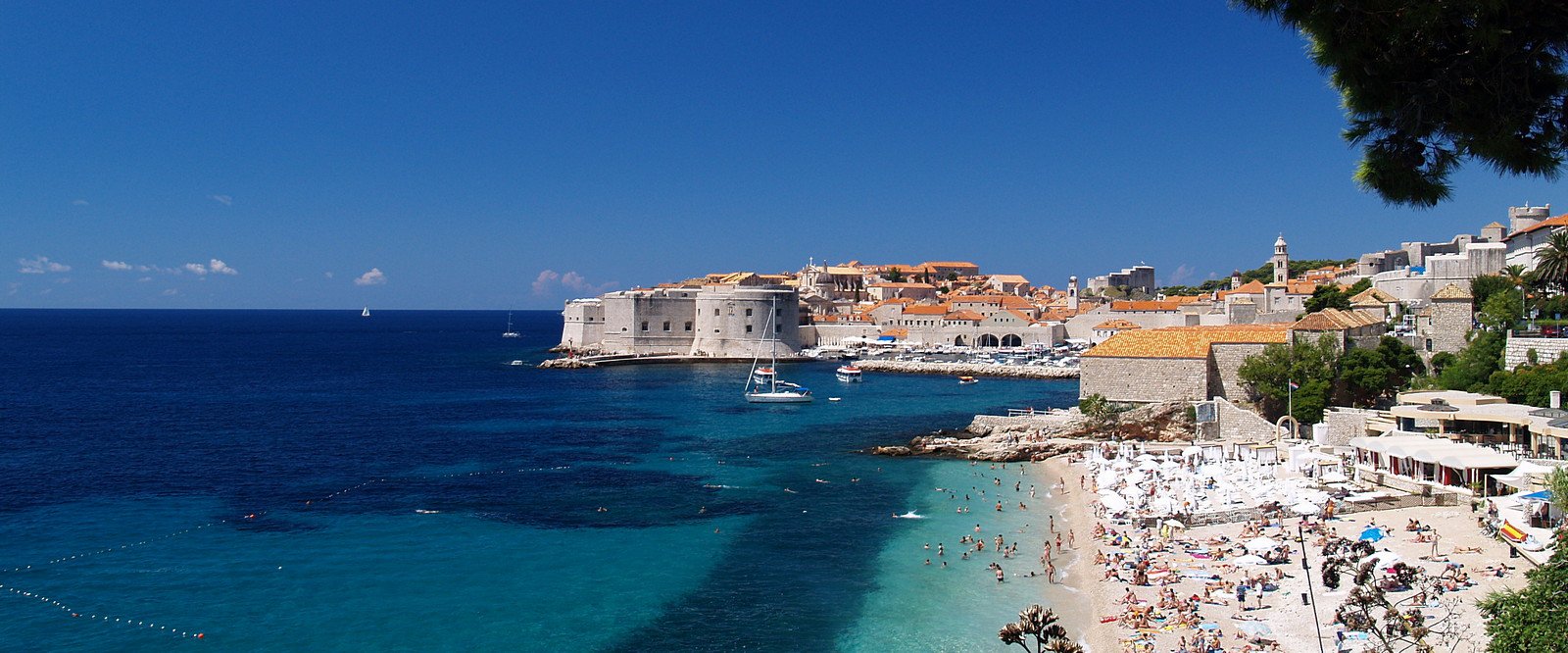
This whole day is reserved for exploring and enjoying in our Pearl of Adriatic – the old town Dubrovnik. The great George Bernard Shaw wrote: „Those who seek paradise on Earth must come to Dubrovnik" and he was as many others overjoyed by the beauty and rich history of this old town under the UNESCO protection. Its glorious walls, with their fortresses and bastions, offer a unique walk with view of the magical Elafiti islands. From the Onofrio fountain to the City bell tower, along its main street, Stradun and in many other small and quiet cobblestone streets, every step in this town will be an experience par excellence. After our walking tour, we are taking you for a lunch in one of Dubrovnik’s taverns. In the afternoon, we invite you to collect more impressions of Dubrovnik. Overnight in Dubrovnik – 5 star Hotel.
Accommodation choice: Hotel Kazbek / Hotel More
Day 8 DUBROVNIK - Departure
Today is the last day of our tour. Your guide will drive you to Dubrovnik Airport where you are expecting your flight back home. Eight beautiful and richly-filled days came to an end. We wish you a safe journey and we hope that you will always gladly remember Croatia and have great memories of these days spent with us. Goodbye!